Author name: sreejasreeja64950@gmail.com

Power of Digital Marketing

The Power of Digital Marketing: How It Helps Businesses Grow Online

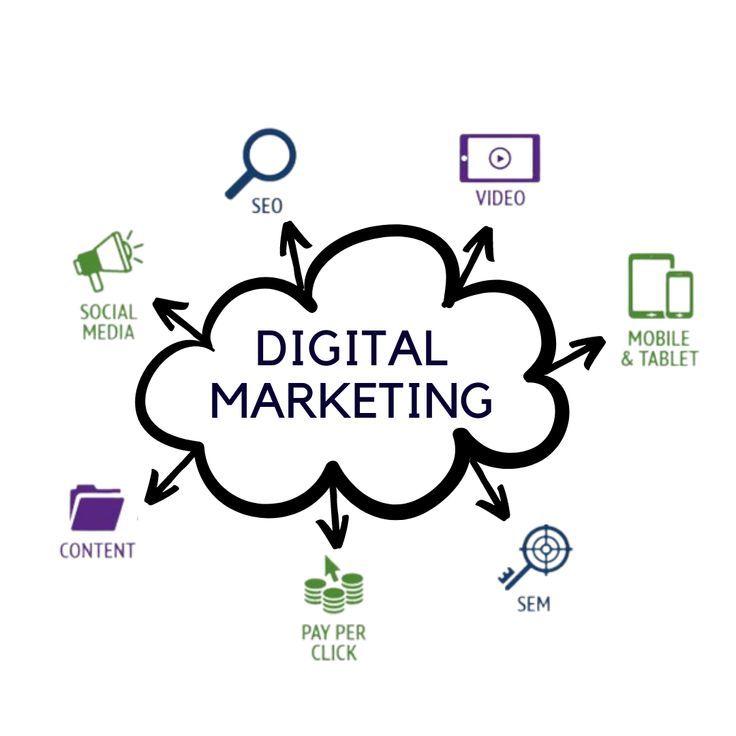
In today’s competitive digital landscape, businesses must adapt to online platforms to stay relevant and reach their customers effectively. Traditional marketing methods alone are no longer enough to attract modern consumers. This is where digital marketing becomes essential. It allows businesses to connect with their target audience through online channels, build brand awareness, and drive measurable results. From small startups to large corporations, digital marketing plays a crucial role in helping brands grow in the online world. What is Digital Marketing? 🌐 Digital marketing refers to promoting products or services using online platforms such as websites, search engines, social media, email, and digital advertisements. Unlike traditional marketing, digital marketing allows businesses to reach a global audience, track campaign performance, and optimize strategies for better results. Popular digital marketing channels include: Search Engine Optimization (SEO) Social Media Marketing Google Ads (Pay-Per-Click Advertising) Content Marketing Email Marketing   Why Digital Marketing is Important for Businesses 🚀 Digital marketing has transformed the way businesses communicate with their audience. Here are some key reasons why it is essential. 1. Expands Online Visibility A strong digital marketing strategy helps businesses appear on search engines and social media platforms. This increases brand exposure and makes it easier for customers to discover your business online. 2. Reaches the Right Audience Digital marketing allows businesses to target specific audiences based on demographics, interests, location, and online behavior. This ensures marketing efforts reach people who are most likely to become customers. 3. Builds Strong Customer Relationships Through social media, emails, and engaging content, businesses can interact with customers and build lasting relationships. Regular communication helps brands gain trust and loyalty from their audience. 4. Drives Website Traffic Digital marketing strategies such as SEO and social media promotion bring more visitors to your website. More website traffic often leads to increased leads and sales opportunities. Key Digital Marketing Strategies for Business Growth 📊 To succeed online, businesses use several digital marketing techniques. Search Engine Optimization (SEO) SEO helps websites rank higher on search engines like Google. By optimizing keywords, improving site speed, and creating valuable content, businesses can attract organic traffic. Social Media Marketing Social media platforms like Instagram, Facebook, and LinkedIn allow businesses to connect with their audience, share content, and build brand awareness. Consistent posting and engagement can significantly increase brand visibility. Google Ads Google Ads allows businesses to display advertisements to users who are actively searching for products or services online. This strategy can generate immediate traffic and high-quality leads. Content Marketing Content marketing involves creating valuable and informative content such as blog posts, videos, and guides. Helpful content attracts visitors and establishes your brand as an authority in your industry. Benefits of Digital Marketing 🌟 Businesses that implement digital marketing strategies enjoy several benefits: Increased brand awareness Higher website traffic Better customer engagement More qualified leads Improved sales and revenue Digital marketing also provides measurable results, allowing businesses to track and improve their campaigns continuously. Tips for a Successful Digital Marketing Strategy 🧠 To achieve long-term success, businesses should follow these best practices: Understand your target audience Create high-quality and valuable content Use SEO to improve search visibility Stay active on social media platforms Analyze marketing performance regularly Consistency and strategic planning are the keys to effective digital marketing.
Inbound Marketing

The Ultimate Guide to Inbound Marketing for Brand Growth:How to grow your brand

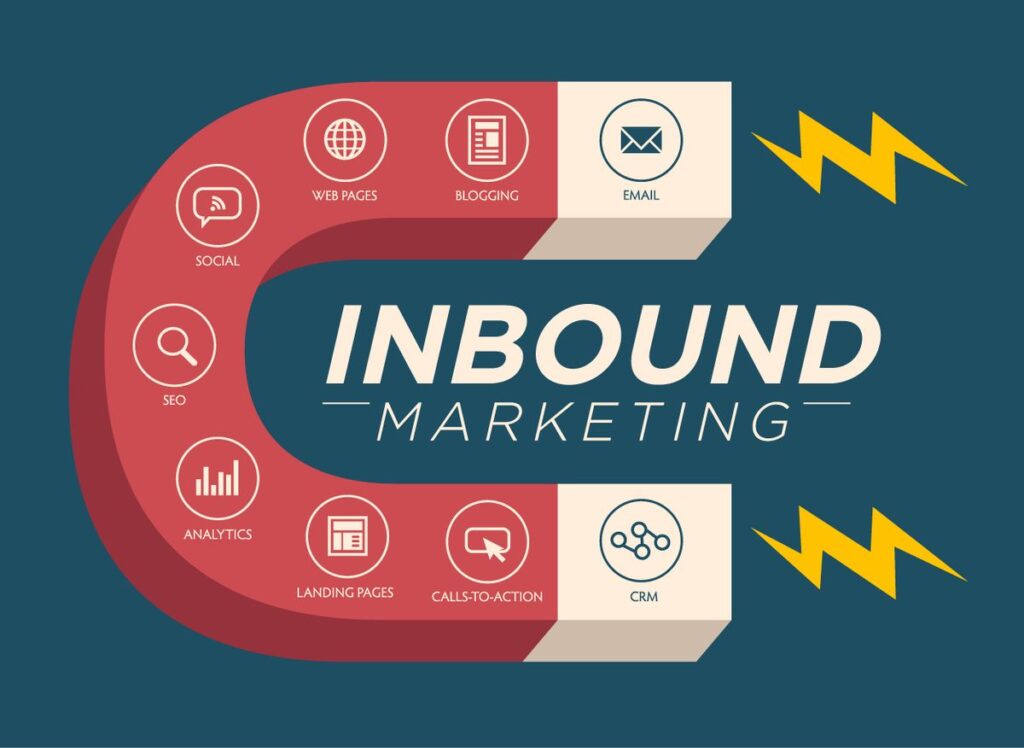
In today’s digital world, customers don’t want to be interrupted by ads—they prefer to discover brands naturally while searching for solutions. This is where Inbound Marketing becomes powerful. Instead of pushing your message to people, inbound marketing helps you attract the right audience with valuable content and meaningful experiences. Businesses that focus on inbound strategies often see stronger customer relationships, better engagement, and long-term brand growth. What is Inbound Marketing? 📈 Inbound marketing is a strategy that focuses on attracting potential customers through helpful content, search visibility, and engagement rather than traditional advertising. The concept became widely popular through platforms like HubSpot, which introduced a structured way to attract, engage, and delight customers through valuable online content. Instead of interrupting customers with ads, inbound marketing helps them find your business when they are already searching for solutions. Why Inbound Marketing Matters for Brand Growth 🌟 Inbound marketing plays a crucial role in building a strong and trustworthy brand. Here’s why it’s important: 1. Builds Brand Trust When you provide helpful content such as blogs, guides, and tutorials, customers begin to see your brand as an industry expert. 2. Attracts the Right Audience Inbound strategies target people who are actively searching for solutions using platforms like Google. This means your audience already has an interest in what you offer. 3. Generates High-Quality Leads Instead of random traffic, inbound marketing attracts qualified visitors who are more likely to become customers. 4. Long-Term Marketing Results A good blog post or SEO strategy can generate traffic for months or even years, making inbound marketing cost-effective. The Core Stages of Inbound Marketing 🔄 Inbound marketing typically follows four main stages 1. Attract The first goal is to bring the right people to your website. Common attraction strategies include: Search Engine Optimization (SEO) Blogging and educational content Social media marketing Video marketing Infographics For example, when users search for business solutions on Google, optimized content helps them discover your brand. 2. Engage Once visitors arrive on your website, the next step is to engage them with helpful information and solutions. Ways to engage visitors: High-quality blog articles Landing pages Email newsletters Interactive content Free resources like guides or ebooks The goal is to build a relationship and encourage visitors to take action. 3. Convert At this stage, your visitors turn into leads or customers. Common conversion methods include: Contact forms Free consultations Downloadable resources Product demos Email subscriptions When visitors find value in your content, they are more likely to trust your brand and share their information. 4. Delight Inbound marketing doesn’t stop after a sale. The final step is delighting customers so they remain loyal and recommend your brand. Strategies include: Personalized email campaigns Customer support Exclusive content Loyalty programs Community engagement Happy customers often become brand advocates who promote your business organically. Key Inbound Marketing Strategies for Brand Growth 🎯 Here are some of the most effective inbound marketing techniques. Content Marketing Content is the foundation of inbound marketing. Publishing helpful articles, guides, and videos helps attract and educate your audience. Examples include: Blog posts How-to guides Industry insights Case studies Video tutorials Consistent content builds authority and improves search rankings. Search Engine Optimization (SEO) SEO ensures that your content appears when users search online. Optimizing keywords, improving website speed, and writing valuable content can significantly increase your organic traffic. SEO helps your brand become visible to potential customers actively searching for solutions. Social Media Marketing Social media platforms help businesses reach and interact with their audience. Platforms like Instagram, Facebook, and LinkedIn allow brands to share content, build communities, and drive traffic to their websites. Regular engagement on social media strengthens brand awareness and trust. Email Marketing Email marketing remains one of the most effective inbound channels. By sending newsletters, updates, and personalized recommendations, businesses can nurture leads and maintain customer relationships. Well-crafted email campaigns can significantly improve conversions and customer retention. Benefits of Inbound Marketing for Businesses 💡 Companies using inbound marketing experience several advantages: Higher website traffic Improved brand credibility Better customer relationships More qualified leads Higher return on investment (ROI) Most importantly, inbound marketing helps businesses build sustainable growth rather than relying only on paid advertising. Tips to Build a Successful Inbound Marketing Strategy 🧠 To maximize your results, follow these best practices: Understand your target audience Create high-quality and useful content Optimize your website for SEO Promote content through social media Track and analyze marketing performance Continuously improve your strategy Consistency and patience are key to achieving long-term results.

SEO

15 SEO Tips to Rank Your Website on Google in 2026

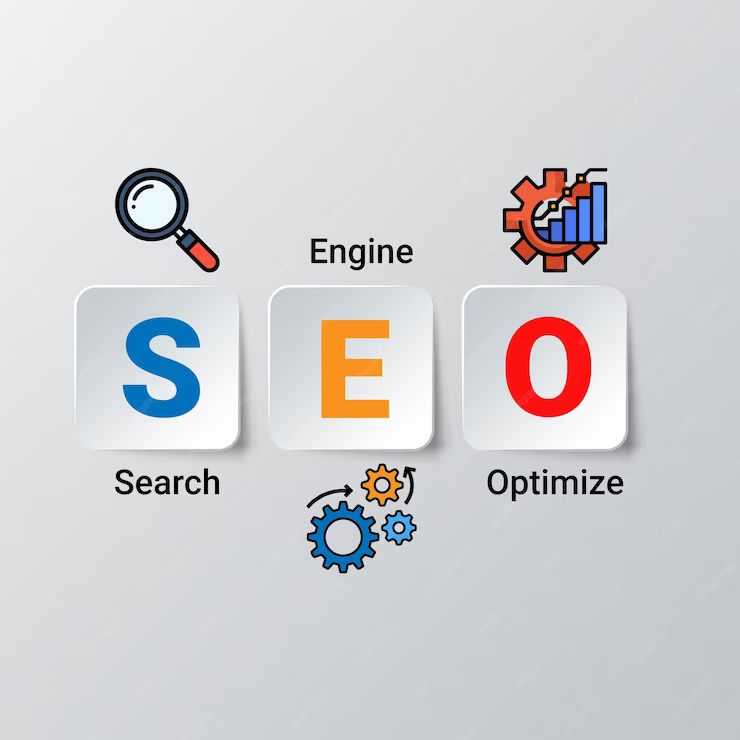
Search Engine Optimization (SEO) is one of the most powerful ways to grow your website traffic and attract potential customers online. With millions of websites competing for attention, ranking on Google requires the right strategy and consistent effort. In 2026, SEO is more advanced than ever. Search engines focus on user experience, helpful content, and website performance. If you want your website to appear on the first page of search results, you need to follow modern SEO practices. In this guide, we’ll explore 15 powerful SEO tips that can help your website rank higher on Google in 2026. 1. Focus on High-Quality Content Content is still the most important factor in SEO. Google prefers websites that provide helpful, informative, and valuable content to users. When creating blog posts or website pages, focus on: Solving users’ problems Providing clear and useful information Writing original and engaging content Avoid copying content from other websites because it can harm your rankings. 2. Use the Right Keywords Keywords are the search terms people type into Google. Choosing the right keywords helps search engines understand your content. Tips for keyword optimization: Use your main keyword in the title Include it naturally in headings Add it throughout the content without overusing it Include it in the meta description Choose the Right Keywords Before writing any content, you should research the keywords your audience is searching for. Good keywords should have: High search volume Low to medium competition Relevance to your content Example keyword: “SEO tips to rank website on Google.” 3. Optimize Your Website for Mobile Devices Most people now browse the internet using smartphones. Google also uses mobile-first indexing, meaning it primarily evaluates the mobile version of your website. Make sure your website: Is mobile-friendly Loads properly on all screen sizes Has easy navigation on smartphones A responsive design improves both user experience and SEO rankings. 4. Improve Website Loading Speed A slow website can frustrate users and increase bounce rates. Google considers page speed as an important ranking factor.Website loading speed is one of the most important factors for both user experience and search engine optimization (SEO). If your website takes too long to load, visitors may leave before even seeing your content. A fast-loading website keeps users engaged and also helps improve your rankings on search engines. To improve your website speed: Compress images Use fast hosting Enable browser caching Reduce unnecessary scripts A faster website leads to better user experience and higher rankings. 5. Write SEO-Friendly Titles Your blog title is one of the first things users see in search results. A strong title increases the chances of users clicking on your website.An SEO-friendly title is one of the most important elements of a webpage or blog post. It is the first thing users see in search results, and it helps search engines understand what your content is about. A well-optimized title can improve your search rankings, click-through rate (CTR), and website traffic. Best practices: Include your main keyword Keep the title clear and attractive Limit it to around 60 characters Example:“15 SEO Tips to Rank Your Website on Google in 2026.” 6. Use Proper Heading Structure Headings help organize your content and make it easier for both readers and search engines to understand your page. Use headings like: H1 for the main title H2 for major sections H3 for subtopics This improves readability and SEO structure. 7. Optimize Images for SEO Images make your content more engaging, but they should also be optimized for search engines. Tips for image optimization: Use descriptive file names Add alt text to images Compress image size for faster loading Example alt text: “SEO strategy for ranking on Google.” 8. Create High-Quality Backlinks Backlinks are links from other websites pointing to your site. They signal to Google that your website is trustworthy and authoritative. Ways to build backlinks: Guest blogging Publishing helpful content Listing your business in online directories Collaborating with industry websites The more quality backlinks you have, the higher your chances of ranking. 9. Focus on User Experience (UX) Google prioritizes websites that provide a great user experience. Important UX factors include: Easy navigation Clean website design Fast loading speed Helpful and readable content A positive user experience keeps visitors on your site longer and improves rankings. 10. Use Internal Linking Internal links connect different pages within your website. This helps search engines understand your site structure and keeps users exploring more pages. Example: Link blog posts to service pages Connect related articles together Internal linking also improves SEO authority across your website. 11. Optimize for Local SEO If you run a local business or digital marketing agency, local SEO is extremely important. Steps to improve local SEO: Create a Google Business Profile Use location-based keywords Collect customer reviews Add your business address and contact details on your website This helps your business appear in local search results. 12. Publish Content Regularly Google favors websites that consistently update their content. Try to: Publish blog posts regularly Update old content with new information Add fresh pages to your website Regular content updates signal that your website is active and relevant. 13. Optimize Meta Descriptions A meta description is a short summary that appears under your page title in search results. Tips: Keep it around 150–160 characters Include your main keyword Make it compelling so users click your link Example:“Learn the top SEO tips to rank your website on Google in 2026 and increase your organic traffic.” 14. Use Long-Tail Keywords Long-tail keywords are longer and more specific search phrases. Example: Instead of “SEO” Use “SEO tips for small business websites.” Long-tail keywords often have less competition and higher chances of ranking. 15. Track Your SEO Performance SEO is not a one-time task. You need to monitor your performance regularly. Useful tools include: Google Analytics Google Search Console Keyword tracking tools These tools help you understand which pages perform well and where improvements are needed. Final Thoughts Ranking your website on Google in 2026 requires

Digital marketing

10 Proven Digital Marketing Strategies to Grow Your Business Online in 2026

In today’s digital-first world, businesses must establish a strong online presence to stay competitive. With rapidly evolving technologies and changing consumer behavior, digital marketing strategies need constant updates. As we move into 2026, businesses that adopt the right marketing techniques will have a significant advantage in attracting customers, building brand authority, and increasing revenue. In this blog, we’ll explore 10 proven digital marketing strategies that can help your business grow online in 2026. 1. Focus on Search Engine Optimization (SEO) Search Engine Optimization remains one of the most effective long-term digital marketing strategies. When your website ranks higher on search engines, you attract organic traffic without paying for ads. Key SEO practices for 2026: Optimize for search intent Use long-tail keywords Improve website speed Create high-quality content Optimize for mobile devices 2. Invest in Content Marketing Content marketing helps businesses build trust and authority in their industry. High-quality blogs, videos, and guides can attract visitors and convert them into customers. Popular content formats in 2026: Blog posts Educational videos Case studies Infographics Podcasts Consistently publishing valuable content positions your brand as an expert in your niche. 3. Leverage Social Media Marketing Social media platforms continue to play a major role in digital marketing. Businesses can connect directly with their audience, build communities, and promote products. Effective social media tips: Post consistently Use short-form videos Engage with comments and messages Collaborate with influencers Platforms like Instagram, LinkedIn, and TikTok are especially powerful for brand awareness and engagement. 4. Run Targeted Paid Advertising Paid advertising allows businesses to reach the right audience quickly. Platforms such as Google Ads and social media advertising enable precise targeting based on demographics, interests, and behavior. Targeted paid advertising is one of the fastest ways to reach potential customers online. Instead of showing ads to everyone, businesses can display their ads to a specific audience based on factors such as location, age, interests, and online behavior. This ensures that marketing efforts focus on people who are more likely to be interested in the product or service. Platforms like search engines and social media allow businesses to create highly targeted campaigns that generate immediate traffic, leads, and sales. 5. Use Email Marketing to Nurture Leads Email marketing remains one of the highest ROI digital marketing channels. It allows businesses to communicate directly with potential and existing customers. Effective email marketing strategies: Send personalized emails Use automated email sequences Share valuable content Offer exclusive promotions A well-planned email campaign can significantly boost customer retention and sales. 6. Improve Conversion Rate Optimization (CRO) Driving traffic to your website is important, but converting visitors into customers is even more critical. Ways to improve conversion rates: Use clear call-to-action buttons Simplify website navigation Optimize landing pages Add testimonials and reviews How Conversion Rate is Calculated The conversion rate is calculated using this formula: Conversion Rate = (Number of Conversions ÷ Total Visitors) × 100 Example:If 50 people sign up from 1,000 visitors: (50 ÷ 1000) × 100 = 5% conversion rate 7. Use Video Marketing Video content continues to dominate online platforms. Short, engaging videos can capture attention quickly and communicate messages effectively. Video marketing ideas: Product demonstrations Educational tutorials Customer testimonials Behind-the-scenes content Video helps build trust and increases engagement with your audience. 8. Implement AI and Marketing Automation Artificial intelligence and automation tools are transforming digital marketing. Businesses can now automate repetitive tasks and personalize customer experiences. Examples include: Chatbots for customer support Automated email campaigns AI-driven analytics Personalized product recommendations Using AI tools can improve efficiency and enhance customer engagement. Final Thoughts Digital marketing continues to evolve, but the core goal remains the same—connecting businesses with the right audience at the right time. By implementing these 10 proven digital marketing strategies, businesses can increase online visibility, attract more customers, and drive sustainable growth in 2026. Success in digital marketing requires consistency, experimentation, and a willingness to adapt to new trends. Start applying these strategies today to stay ahead of the competition and grow your business online.      

Scroll to Top